
- 1·01-Lecture_1.1_审美和认知_Aesthetic_Perception
- 2·02-Lecture_1.2_分析图_Wittkowers_Palladian_D
- 3·03-Lecture_1.3_建筑类型_Typology
- 4·04-Lecture_1.4_透视_Perspective
- 5·05-Lecture_1.5_理想城市_The_Ideal_City
- 6·06-Lecture_1.A_透视图简介(补充)_Perspective_-_A_
- 7·07-Lecture_1.B_正交图简介(补充)Orthographic_Draw
- 8·08-2.0_解读建筑:柱与墙_Reading_Architecture_-_Co
- 9·09-2.1_维特科夫尔的建筑理论_Wittkowers_Theory_of_Ar
- 10·10-2.2_维特科夫尔与阿尔伯蒂_Wittkower_and_Alberti
- 11·11-2.3_Malatestiano教堂_Tempio_Malatestian
- 12·12-2.4_圣母玛利亚大教堂_Santa_Maria_Novella
- 13·13-2.5_San_Sebastiano_and_Sant Andrea
- 14·14-3.0_黑格尔和建筑历史_Hegel_and_Architectural_
- 15·15-3.1_黑格尔的历史_Hegels_History
- 16·16-3.2_黑格尔的精神_Hegels_Spirit
- 17·17-3.3_象征主义建筑_Symbolic_Architecture
- 18·18-3.4_浪漫主义建筑_Romantic_Architecture
- 19·19-3.5_古典主义建筑_Classical_Architecture
- 20·20-3.6_艺术的终结_The_End_of_Art
- 21·21-4.0_阿尔多·罗西和类型学_ldo_Rossi_and_Typology
- 22·22-4.1_这就是建筑_That_is_Architecture
- 23·23-4.2_库内奥纪念碑_The_Cuneo_Monument
- 24·24-4.3_建筑的种类_The_Architectural_Type
- 25·25-4.4_类型优先性与类比城市_Anteriority_and_the_An
- 26·26-5.0_水晶宫_基础设施和细部构造_The_Crystal_Palace_
- 27·27-5.1_展览:钢铁和新结构_Exhibitions_Iron_and_th
- 28·28-5.2_项目_The_Project
- 29·29-5.3_约瑟夫·帕克斯顿(水晶宫设计师)Joseph_Paxto
- 30·30-5.4_The_Building
- 31·31-5.5_The_Exhibition
- 32·32-5.6_后果_The_Aftermath
- 33·33-6.0_玻璃与钢铁的辩证法_The_Dialectics_of_Glass
- 34·34-6.1_从石头到钢铁_From_Stone_to_Steel
- 35·35-6.2_Behrenss_Theory
- 36·36-6.3_AEG工厂_The_AEG_Factory
- 37·37-6.4_德国法古斯工厂_The_Fagus_Factory
- 38·38-6.5_西格拉姆大厦_The_Seagram_Building
- 39·39-7.0_柯布西耶:生活的机器_Technology_Tamed_Le_Co
- 40·40-7.1_多米诺体系_The_Domino
- 41·41-7.2_拉罗歇别墅_Villa_La_Roche-Jeanneret
- 42·42-7.3_Villa_Garches
- 43·43-7.4_新建筑五点_The_Five_Points_of_a_New_Ar
- 44·44-7.5_萨伏耶别墅_Villa_Savoye
- 45·45-8.0_描绘乌托邦:18世纪的想象_Drawing_Utopia_-_Vi
- 46·46-8.1_乌托邦城市_Ledouxs_Utopian_City_of_Cha
- 47·47-8.2_表达乌托邦:维特鲁威_Representing_Utopia_Mo
- 48·48-8.3_Filaretes_Sforzinda
- 49·49-8.4_Boullées_Architecture_Parlante
- 50·50-8.5_超凡的生产_The_Production_of_the_Subli
- 51·51-9.0_第九章简介_Introduction
- 52·52-9.1_蓬皮杜中心_The_Pompidou_Center_in_the_
- 53·53-9.2_博堡与1968年五月风暴_Plateau_Beaubourg_an
- 54·54-9.3_项目_The_Project
- 55·55-9.4_鲍德里亚的拟像序列_Baudrillards_Periodizat
- 56·56-9.5_拟像的博堡_Beaubourg_as_Simulation
- 57·57-9.6_总结_Conclusion
- 58·58-10.0_表达不可表达的_Presenting_the_Unreprese
- 59·59-10.1_第十章简介_Introduction
- 60·60-10.2_场地和项目_Site_and_Project
- 61·61-10.3_比特堡争论_The_Bitburg_Controversy
- 62·62-10.4_抽象的模式_Modes_of_Abstraction
- 63·63-10.5_标识的形式_Forms_of_the_Sign
- 64·64-10.6_总结_Conclusion
哈佛大学公开课:设计入门课 —— 建筑的想象力(The Architectural Imagination)
【课程基础信息】
- 课程名称:设计入门课:建筑的想象力(The Architectural Imagination)
- 授课机构:哈佛大学设计研究生院(GSD)|HarvardX+edX 官方公开课
- 主讲教授:K. Michael Hays(哈佛 GSD 建筑理论教授)及 GSD 资深讲师团队
- 字幕配置:官方授权中文字幕(网易公开课 /edX 译制)
- 课程时长:10 周,每周 3–5 小时,自主进度学习Harvard Professional and Lifelong Learning
- 难度等级:入门级(建筑 / 设计 / 艺术史零基础友好)
- 核心标签:建筑设计入门、建筑史与理论、空间想象力、建筑制图与模型、GSD 经典课程

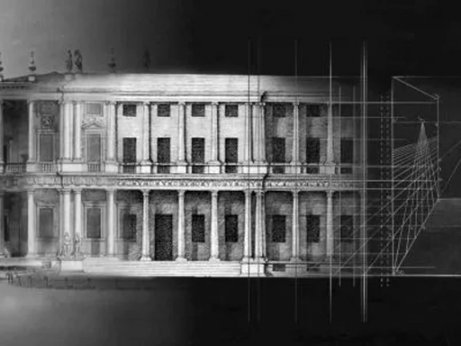
【官方英文简介(Official Course Description)】
Architecture engages a culture’s deepest social values and expresses them in material, aesthetic form. This course will teach you how to understand architecture as both cultural expression and technical achievement. Vivid analyses of exemplary buildings, and hands-on exercises in drawing and modeling, will bring you closer to the work of architects and historians.Harvard Professional and Lifelong Learning The first part of the course introduces the idea of the architectural imagination. Perspective drawing and architectural typology are explored and you will be introduced to some of the challenges in writing architectural history.Harvard Professional and Lifelong Learning Then we address technology as a component of architecture. You will discover ways that innovative technology can enable and promote new aesthetic experiences, or disrupt age-old traditions. Technological advances changed what could be built, and even what could even be thought of as architecture.Harvard Professional and Lifelong Learning Finally, we'll confront architecture’s complex relationship to its social and historical contexts and its audiences, achievements, and aspirations. You will learn about architecture’s power of representation and see how it can produce collective meaning and memory.
【官方中文译文(Official Chinese Translation)】
建筑承载着文化最深层的社会价值,并以物质化、美学化的形式将其表达出来。本课程将带你理解建筑既是文化表达,也是技术成就。通过对经典建筑案例的生动解析,以及制图与建模的实操练习,你将近距离接触建筑师与艺术史家的工作思维与方法。Harvard Professional and Lifelong Learning 课程第一部分引入 “建筑想象力” 的核心概念,探讨透视画法、建筑类型学,并解析建筑史写作的核心挑战;第二部分聚焦技术与建筑的共生关系,探索创新技术如何催生全新美学体验、颠覆传统建造逻辑 —— 技术革新不仅改变了 “能建什么”,更重塑了 “何为建筑” 的定义;最后,深入剖析建筑与社会、历史语境的复杂联结,解读建筑的叙事力量及其承载集体记忆、寄托社会理想的核心价值。
【课程核心大纲(10 周模块精要)】
- 建筑想象力导论:建筑的本质 —— 文化、技术与想象的融合
- 建筑的视觉语言:透视画法、空间构图与建筑制图基础
- 建筑类型学:经典建筑原型(神庙、教堂、宫殿、公共空间)解析
- 建筑史的叙事:建筑史写作的视角、方法与核心争议
- 技术与建筑革新:材料(玻璃、混凝土、钢铁)与结构创新
- 现代建筑的技术美学:从工业革命到现代主义的技术赋能
- 建筑与社会:建筑如何回应阶级、权力、宗教与公共生活
- 建筑与历史语境:经典案例(古埃及、古希腊、文艺复兴、现代)的时代逻辑
- 建筑的叙事与记忆:建筑作为文化符号、集体记忆的载体
- 课程总结:建筑想象力的培养 —— 从观察、分析到创造
【你将收获(Learning Outcomes)】
- 掌握建筑读图与分析能力,解读建筑图纸、空间设计与美学逻辑Harvard Professional and Lifelong Learning
- 理解经典建筑作品背后的社会、历史与文化背景Harvard Professional and Lifelong Learning
- 学会基础建筑制图与模型制作,动手实践设计思维Harvard Professional and Lifelong Learning
- 建立建筑设计核心认知,为建筑专业学习或职业发展奠定基础Harvard Professional and Lifelong Learning