- 01.Introduction1
- 02.Introduction2
- 03.Introduction3
- 04.Psychological stress1
- 05.Psychological stress2
- 06.Psychological stress3
- 07.Psychological stress4
- 08.Psychological stress5
- 09.Psychosomatic medicine and psychosomatic disease
- 10.Psychological disorder1
- 11.Psychological disorder2
- 12.Psychological disorder3
- 13.Personality disorders1
- 14.Personality disorders2
- 15.Personality disorders3
- 16.Understanding psychology1
- 17.Understanding psychology2
- 18.Understanding psychology3
- 19.Understanding psychology4
- 20.Understanding psychology5
- 21.Understanding psychology6
- 22.Understanding psychology7
- 23.Understanding psychology8
- 24.Understanding psychology9
- 25.Psychotherapy1
- 26.Psychotherapy2
- 27.Psychotherapy3
- 28.Psychoanalysis
- 29.Behaviorism theory and technology1
- 30.Behaviorism theory and technology2
- 31.Behavior therapy1
- 32.Behavior therapy2
- 33.Cognitive Behavior Therapy
- 34.Person-centered therapy1
- 35.Person-centered therapy2
- 36.Other Psychotherapies1
- 37.Other Psychotherapies2
- 38.Other Psychotherapies3
- 39.Other Psychotherapies4
- 40.Psychological Counseling1
- 41.Psychological Counseling2
- 43.Mental Health
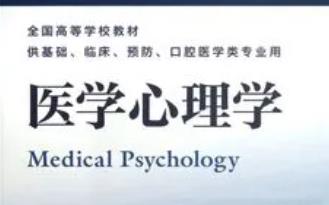
山东大学《医学心理学》课程指南:读懂患者心理的必修课
当医生不仅要会看检查报告,更要懂得患者的心理状态。山东大学这套《医学心理学》课程,就是专门帮助医学生补上这个关键能力的。
现在的医院里经常遇到这种情况:明明检查指标都正常,患者就是说浑身不舒服。这就是典型的心理因素在影响健康。《医学心理学》这门课就是要教会未来的医生们,既懂身体疾病,也会处理心理问题。
这门课到底学什么?
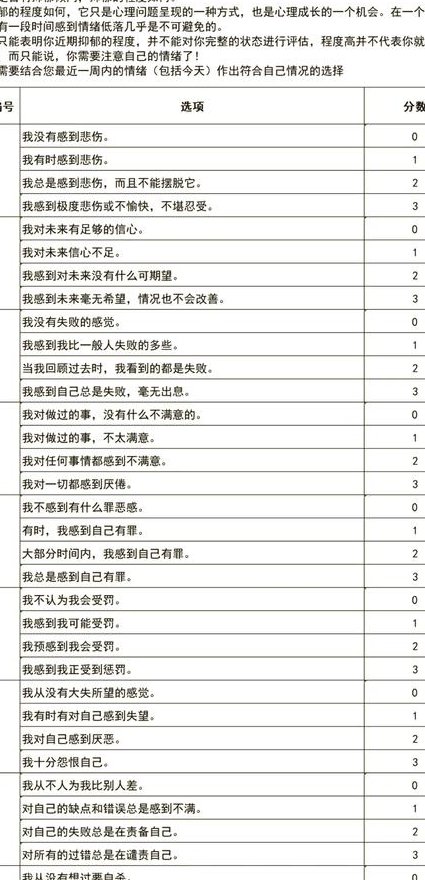
课程从最基础的心理学理论讲起,重点培养三个核心能力:用专业量表评估患者心理状态、分析疾病背后的心理社会因素、掌握实用的心理干预技巧。
特别实用的课程内容
会教你怎么识别焦虑症患者的躯体化症状,处理术后抑郁,甚至用简单谈话技巧缓解慢性疼痛。临床常见的医患沟通难题,课程里都有应对方法。
课程精华模块
- 基础理论篇:脑科学基础+经典心理学流派
- 实用工具箱:8种常用心理量表使用指南
- 疾病解码:心脑血管疾病的心理诱因分析
- 临床实战:门诊/病房场景模拟训练
适合哪些人学?
不光是临床医学专业的学生,其实护理、康复治疗专业的学生学了都特别有用。现在很多医院的继续教育也把这门课作为必修内容。
课程最大亮点
每章都有真实病例分析,比如有个反复腹痛查不出原因的中学生,最后发现是考试焦虑引起的躯体症状。这种案例教学让抽象理论变得特别好懂。
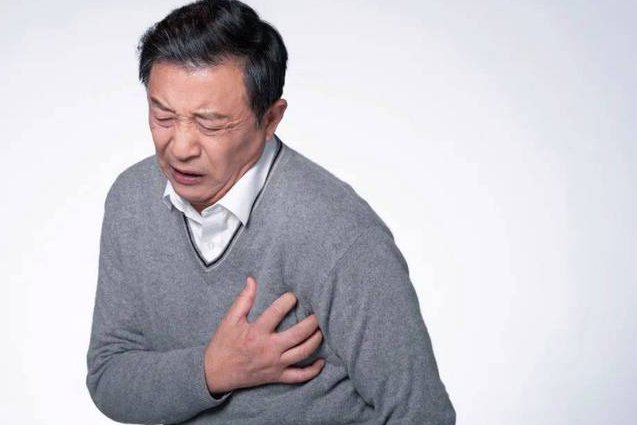
学完这门课最大的改变是:看病人时不再只看化验单了。会主动问句"最近睡得好吗",可能就找到了病因的关键线索。这种思维转变对医生成长特别重要。
课程最后还会教你设计简单的心理健康促进方案,比如教高血压患者用呼吸训练控制情绪。这些都是现代医疗越来越重视的实用技能。
![小学四年级数学(上册)[苏教版]教学视频](/pic/uploadimg/2018-1/20181205173960661.jpg)